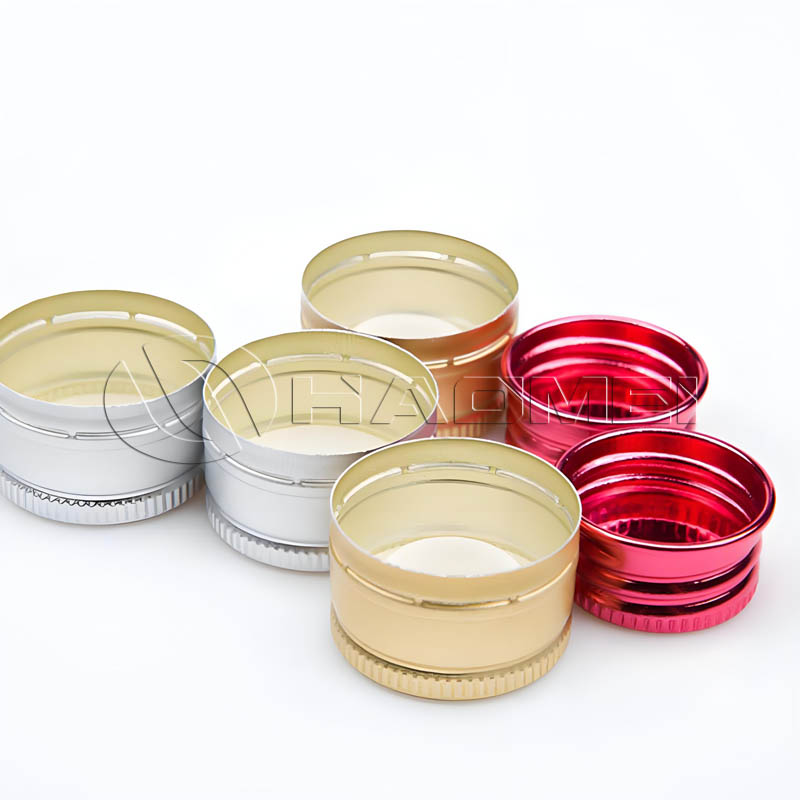
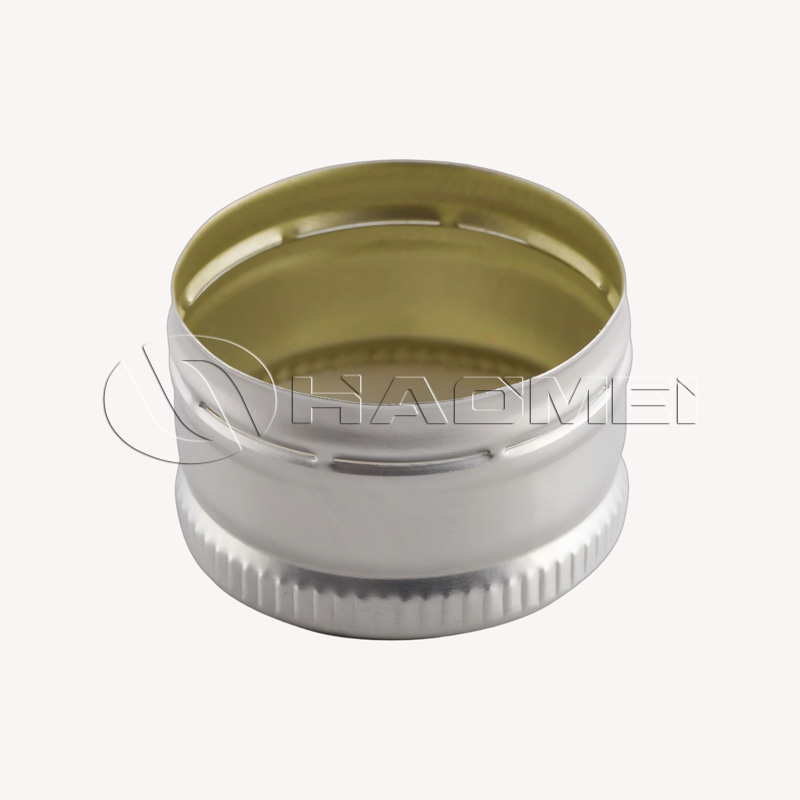
When you hear that familiar "pop" as you open a bottle of sparkling water, beer, or soda-followed by the lively rush of bubbles, have you ever noticed the small metal cap with finely crimped edges? That is the crown cap, the silent guardian of carbonated beverages.
Introduction to Crown Caps
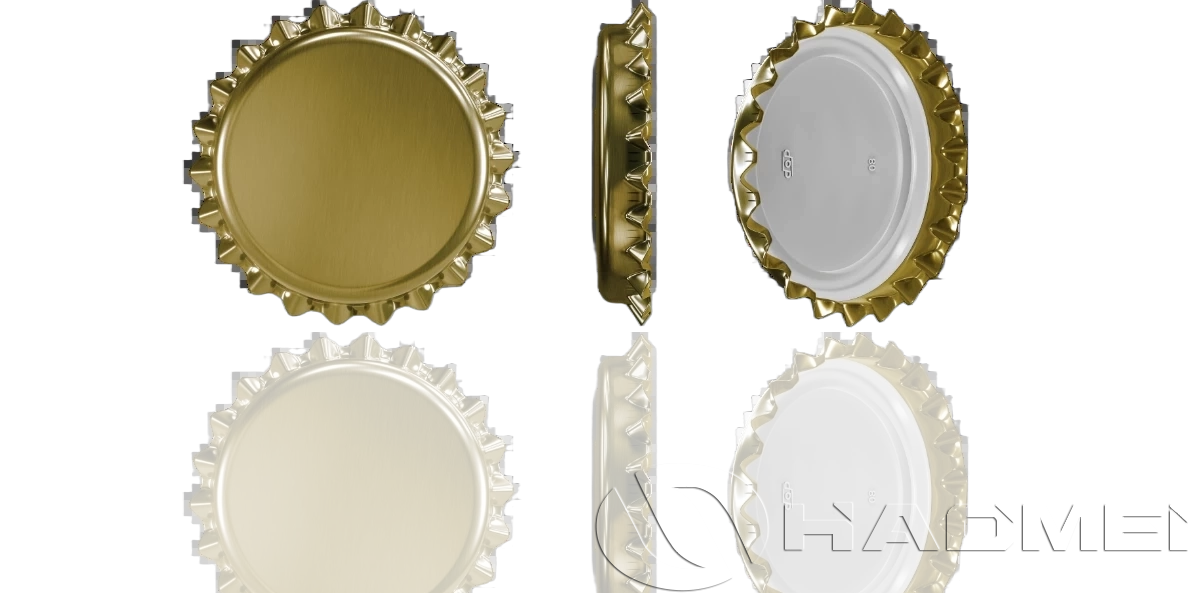
The crown cap was invented in 1892 by British inventor William Painter and named for its crown-like crimped edge. By mechanically crimping around the bottle neck and working together with an internal sealing liner, the crown cap can withstand the significant internal pressure generated by carbonated beverages.
Since its invention, the standard 26 mm crown cap (measured by cap diameter) has become a cornerstone of the global beverage industry, dominating carbonated and lightly carbonated drinks for decades. To accommodate larger bottle mouths, the 29 mm crown cap was later developed.
Traditionally, crown caps are made from tinplate (electro-tinplated steel) due to its high strength, excellent formability, and printability. Today, aluminum crown caps are increasingly favored in premium beer and sparkling water markets because of their lighter weight, infinite recyclability, and superior metallic appearance.
Differences Between 26 mm and 29 mm Crown Caps
| Item | 26 mm Crown Cap | 29 mm Crown Cap |
| Standard Diameter | Ø26 mm | Ø29 mm |
| Typical Applications | Carbonated drinks, soda | Beer, sparkling water |
| Bottle Finish | Standard narrow-neck glass bottles | Reinforced or larger-mouth glass bottles |
| Internal Pressure Resistance | Extremely high, suitable for highly carbonated beverages | Designed for larger openings with more uniform pressure distribution |
| Number of Flutes | Typically 21 | Typically 21 (larger diameter) |
| Market Adoption | Widely used |
26 mm crown caps are commonly used for soft drinks and sodas, while 29 mm crown caps, with their larger diameter and more even stress distribution, offer greater stability for high-pressure beer and long-distance transportation.
Key Advantages of Crown Caps for Carbonated Beverages
1. Excellent Pressure Resistance and Sealing Performance
Carbonated beverages contain CO₂, with internal bottle pressure typically reaching 4–6 bar. The combination of a metal shell and elastic liner (PE) allows crown caps to withstand sustained pressure without deformation or leakage, preserving carbonation and freshness.
2. High Food Safety Standards
Crown cap liners are made from food-grade PVC, EPE, or PVC-free eco-friendly materials, compliant with FDA and EU food contact regulations, ensuring no impact on beverage flavor.
3. Excellent Compatibility with Automated Filling Lines
Standardized dimensions enable seamless integration with high-speed automatic capping equipment, ensuring stable crimping, low rejection rates, and efficient mass production.
4. Cost-Effective and High Value
Compared with aluminum screw caps or specialty plastic closures, crown caps offer a clear cost advantage, making them ideal for high-volume carbonated beverage brands.
5. Strong Branding and Customization Potential
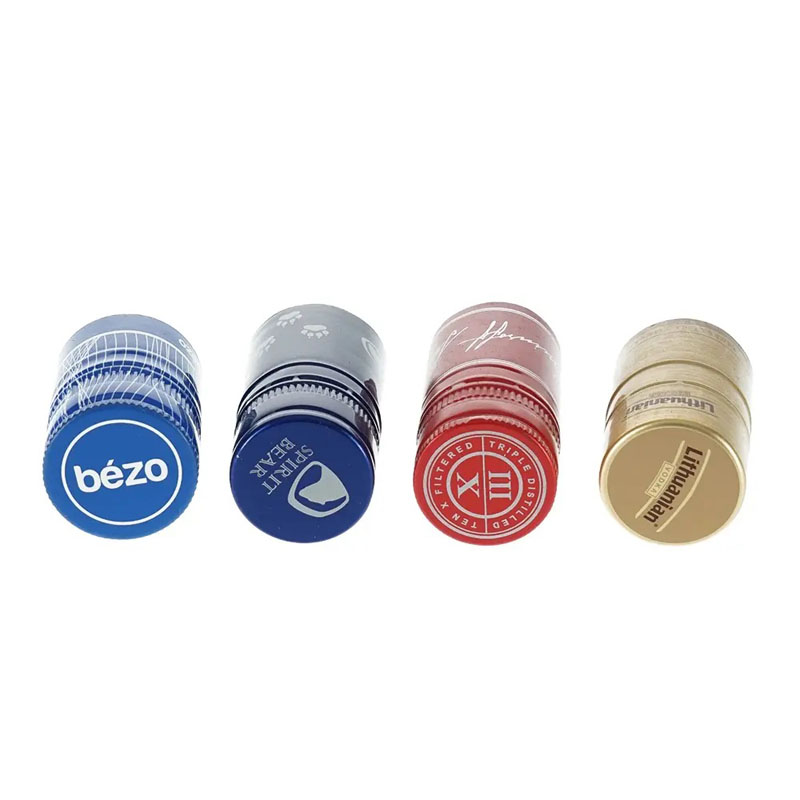
The top surface of the cap supports multi-color printing, custom logos, and embossed designs, combining functionality with brand visibility.
6. Superior Corrosion Resistance
Aluminum crown caps provide enhanced resistance to rust and corrosion, making them especially suitable for humid refrigerated storage environments.
Crown Cap Technical Specifications
| Product Name | 26 / 29 mm Crown Cap |
| Material | Aluminum 8011 / 3105 |
| Liner Materials | PVC / EPE / PVC-free composite liners |
| Diameter | 26.0 ± 0.1 mm 29.0 ± 0.1 mm |
| Height | Approx. 6.0 - 6.5 mm |
| Number of Flutes | 21 (standard) |
| Internal Pressure Resistance | ≥ 6 bar |
| Sealing Method | Crimp sealing |
| Compatible Bottles | Glass bottles for carbonated beverages and beer |
| Surface Finish | Natural aluminum, colored coating, custom printing (CMYK / spot colors) |
| MOQ | 80,000 pieces |
Typical Applications
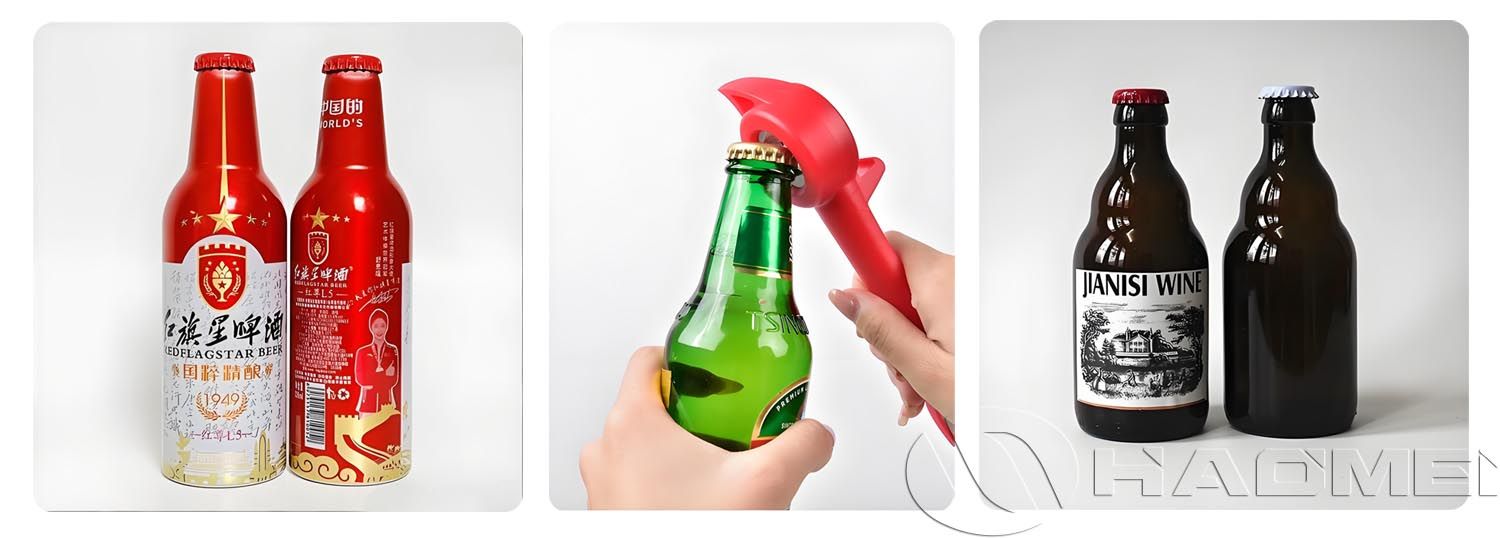
Carbonated beverage plants: Cola, orange soda, functional soft drinks
Beer and craft breweries: Lager, ale, fruit beer
Sparkling water and soda brands
Regional beverage OEM / ODM projects
Customization Options
1. Specification Customization
Diameter options: 26 mm / 29 mm
Customized height and crimp profile to match specific bottle finishes
2. Liner Customization
Food-grade PVC liners (excellent sealing performance)
EPE foam liners (better elasticity and opening experience)
PVC-free eco-friendly liners (aligned with sustainability and regulatory trends)
Different liners can be tailored to meet requirements for pressure resistance, acidity tolerance, and flavor protection.
3. Appearance Customization
Single-color or multi-color printing (CMYK or spot colors)
Custom logos, text, and graphic designs
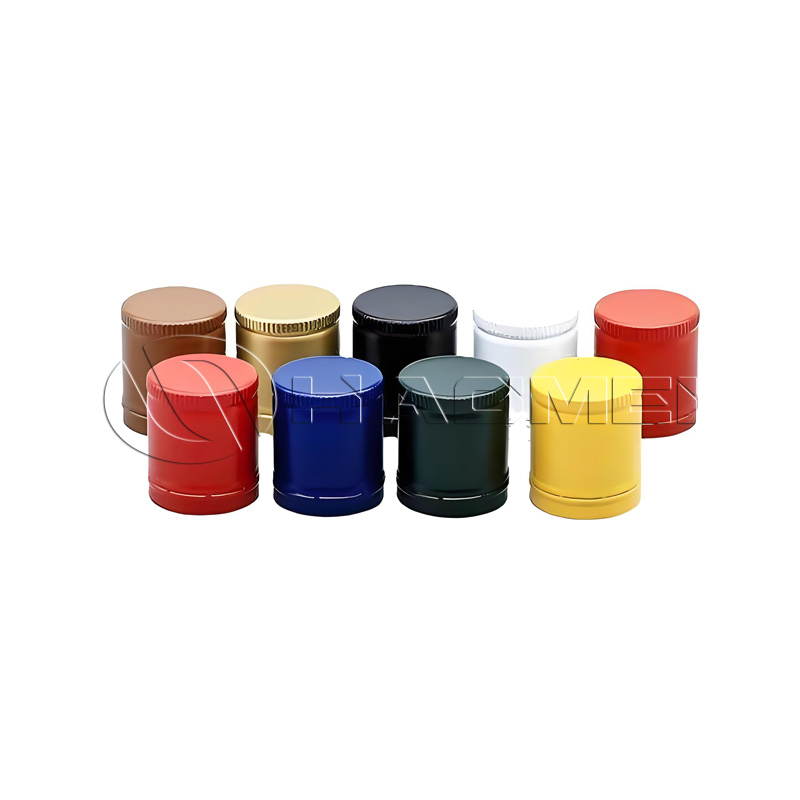
Matte, glossy, or metallic surface finishes
Local embossing or debossing
Integrated QR codes or NFC tags inside the cap for anti-counterfeiting, traceability, and marketing interaction